Sunday, June 13, 2010

Theatre Droppings: The Goat, or What's the [Title of This Show] ?


In the last couple of weeks, I caught two shows in DC which couldn't be more different, but share one very important quality, one which is now almost mandatory for my complete enjoyment: they were both only 90 minutes long.


There are many of these intermissionless, 90-minute plays and musicals out there these days, and I love the concept. Don't dare call them a one-act, though; any artistic or producing director will tell you, they cannot sell a One Act Production to their audience. So we won't call these plays one acts (though they kind of are).


Anyhoo, it was several weeks ago when I finally made it out to Signature Theatre to see their regional premiere of [title of show], a musical written several years ago by two musical theatre performers who weren't getting anywhere in their careers, so they decided to write their own show. Well, wouldn't you? They enlisted two gal pals, and developed the piece for the inaugural New York Musical Theatre Festival. The premise of the show is an intriguing one: the show itself is about the authors writing the show. Its publicity called it "a musical about two guys writing a musical about two guys writing a musical."

[title of show] had a long gestational period Off-Broadway, before landing on Broadway in July of 2008, where it lasted a scant three months. But it will have an ongoing life in regional and educational theatre, as its four-member cast, minimal set requirements, and single accompanist make it a relatively inexpensive way to showcase four dynamic talents. The Signature had them in spades, with all four actors polished to a shine. In particular, James Gardiner's quirky performance was a standout. As for the piece itself, the program notes claim that the authors continue to update the show depending on its circumstances. They revised their final moments to reflect their Broadway production, but failed to mention its premature closing.


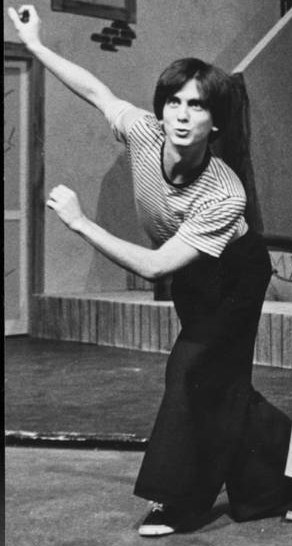
Ah well, who cares about that? The Signature production was a swell ride for a musical theatre geek, and I applaud any show which mentions Dinah Manoff, Henry, Sweet Henry, and the husband and wife mime team of Shields and Yarnell. Whatever happened to them?


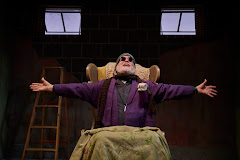
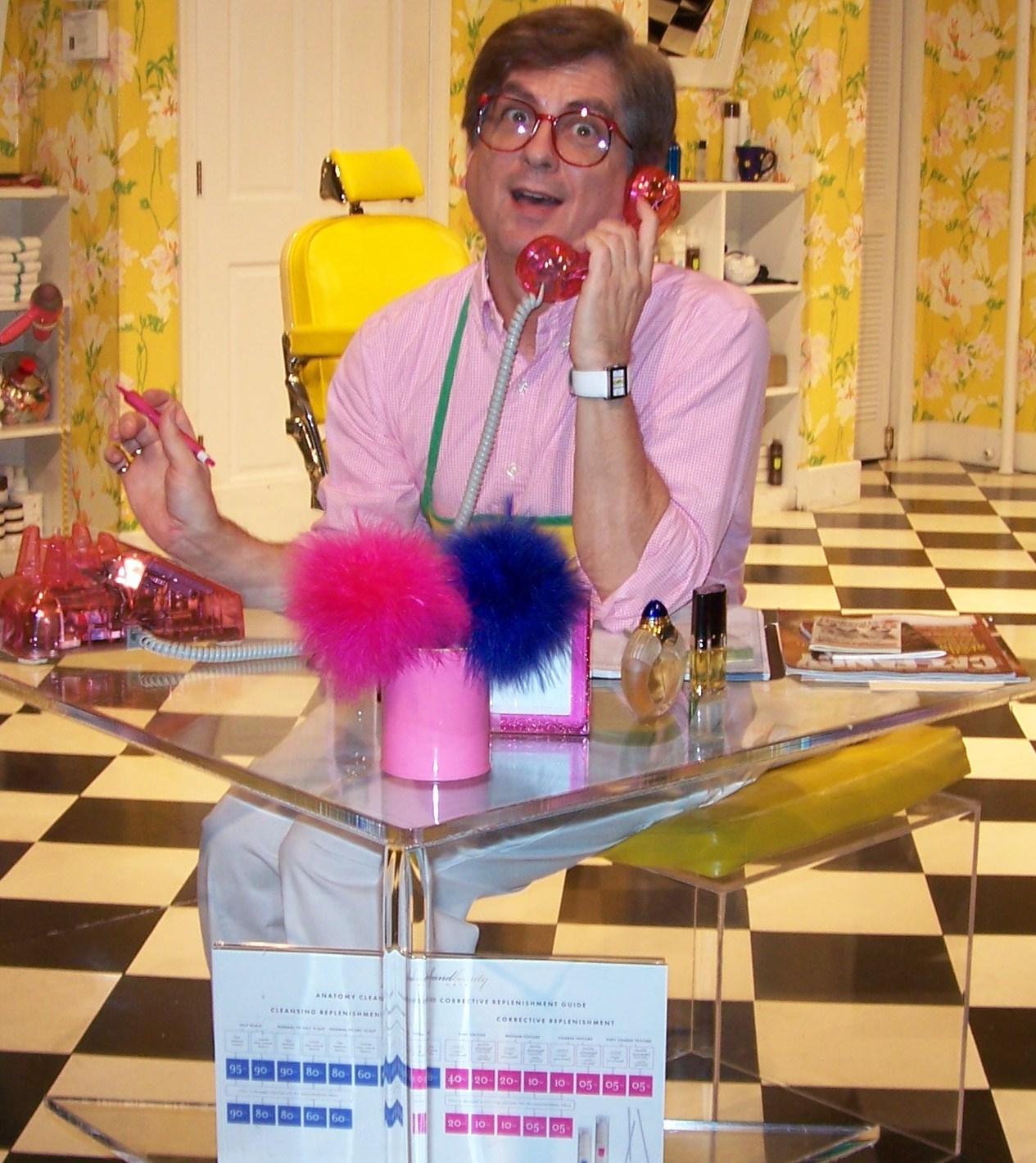
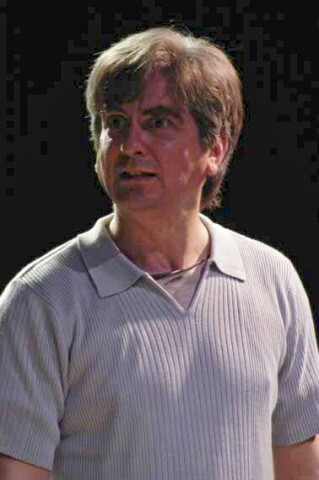
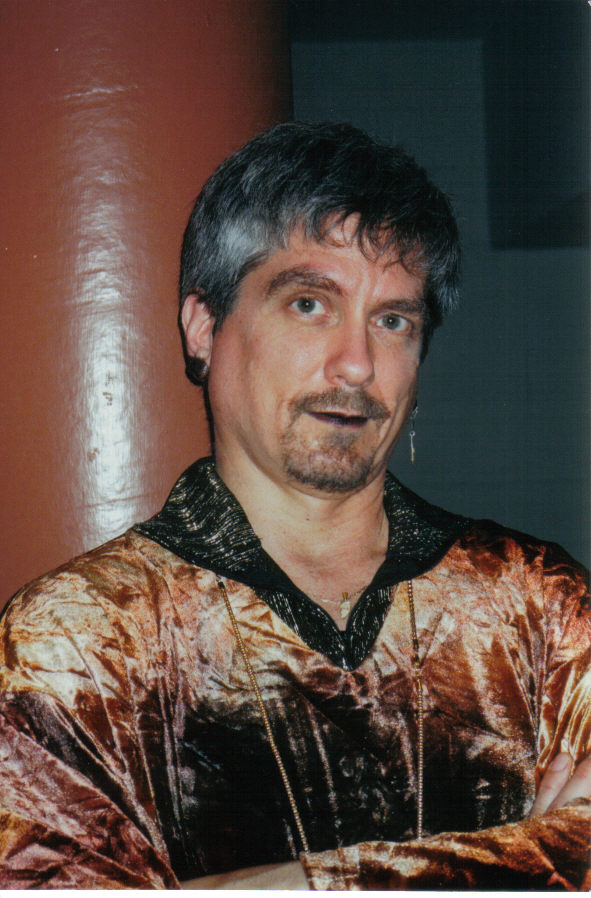
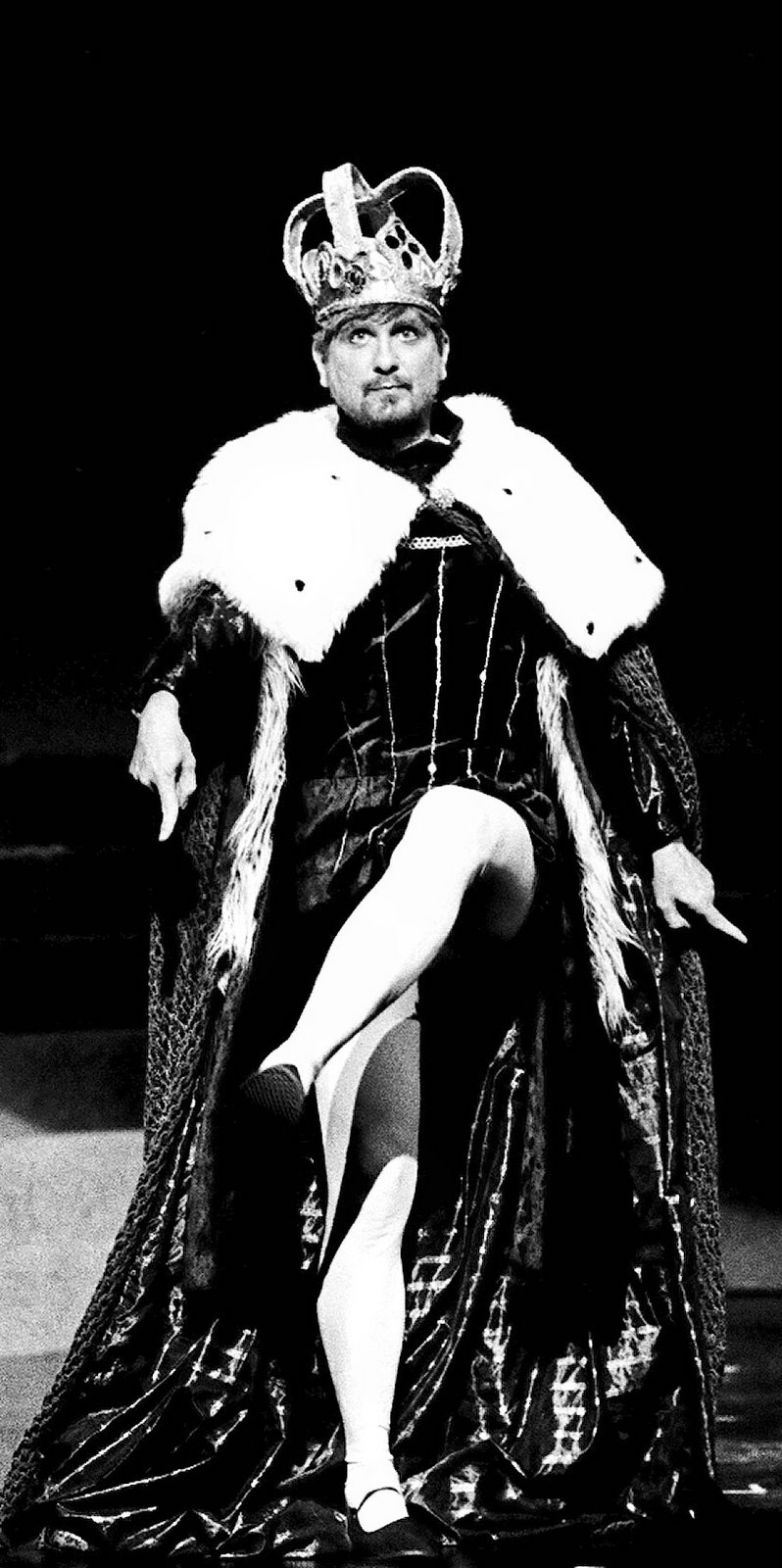
Rep Stage's The Goat, or Who Is Sylvia? is a terrific production of one of Edward Albee's more recent plays (well, it ran on Broadway in 2002, but Albee is not terribly prolific these days, so I consider it one of his recent works). This play won the Tony for its original production, and had a pretty healthy run of a little less than a year. I've been out to many Rep Stage productions, often because they were directed by my buddy Steve Carpenter. I mentioned seeing his production of Mrs. Farnsworth several years ago, and more recently, I raved about Hysteria. This time out, Steve was acting rather than directing, playing the leading couple's best friend, and providing the catalytic device which ignites a lot of fireworks.

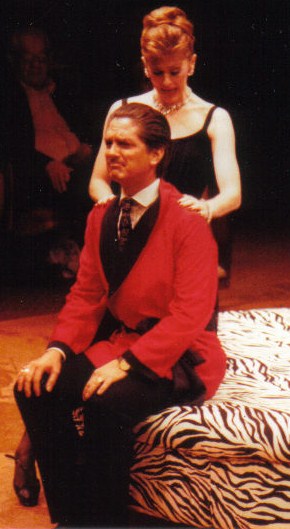
The play, you see, is about (SPOILER ALERT) an intelligent, well-adjusted, happily married man who commits adultery with a goat. You might not think such an outlandish plot could be realistically handled, but under Kasi Campbell's direction, you believe every moment. Bruce Nelson and Emily Townley have spectacular chemistry as the married couple; I just love watching actors at the top of their game.


I am not alone in thinking that The Goat... is meant as a symbolic tale (tail?), but Edward Albee is notoriously hostile when asked to explain his plays, so we'll get no help from him. Several plays he wrote during mid-career were confusing even to the actors performing them. Katherine Hepburn, who appeared in the film version of A Delicate Balance, and John Gielgud, who starred in Tiny Alice, both claimed later that they had no idea what their respective plays were about. Getting back to the play at hand, I have a hunch that Albee saw, when writing this absurd premise, that audiences may think the bestial relationship portrayed would be misconstrued as a stand-in for a gay relationship. Perhaps to circumvent that idea, he made the central couple's teen-aged son gay.

While I was flipping through the show's program, reading dramaturgical notes and whatnot, I stumbled upon a truly hilarious and ironic full-page ad, placed by a petting farm in rural Maryland. I wonder if the advertiser in question has any idea what The Goat...'s final moments portray. The sexual relationship between a man and a goat is uncomfortable enough, but when Townley's wronged wife hauls the slaughtered carcass of the goat onstage, covered in blood and guts, it's a pretty revolting ending. This full-page ad in the program was purchased by Clark's Elioak Farm, and cheerfully chirps:


"Need to visit some goats?
If so, we've got the place for you!"


When I read that, I brayed like Dr. Dillamond...

Friday, June 11, 2010

Friday Dance Party: The Last Ziegfeld Girl


The Tony Awards are Sunday, and this week's Dance Party celebrates Broadway's charitable nature. Hard to believe, but the highly competitive, highly commercial Great White Way has been, at least partially, responsible for some of the most successful fundraising in the history of any art form. I am talking, of course, of the BC/EFA movement.


If you are an actor, you have heard of this organization, but if not, you may not be aware of this fundraising behemoth. Back in the fall of 1987, Actors Equity Association, the union representing stage actors, formed Equity Fights AIDS, in an attempt to take some action against the plague which was decimating the artistic community in New York and across the globe. Less than 6 months later, the Producers Group formed their own charitable organization called Broadway Cares. Within a few years, the groups had merged, becoming Broadway Cares / Equity Fights AIDS, or BC/EFA.

Since 1988, the organization has raised more than 175 million dollars to help the fight against AIDS. Being artists, their fundraising has always consisted of some unusual, some may say bizarre, tactics. Every September, an auction and flea market of Broadway memorabilia is held in Shubert Alley, the walkway connecting 45th and 46th street in the heart of the theatre district.

The auction kicks off 6 weeks of fundraising by Broadway and Off-Broadway theater companies, who make curtain speeches at the conclusion of their performances, asking for donations. The fundraising period culminates in the Gypsy of the Year competition, which allows dancers from various shows to step into the spotlight and strut their stuff in a variety show format.

Various other fundraising events have become part of the New York theatrical landscape. Broadway Bares, invented in 1992, is a burlesque show held every June, during which Broadway dancers (and sometimes, actors) perform strip tease acts sprinkled with Broadway panache; the event has earned well over 5 million dollars. (Before he became a high school teacher in Glee, Matthew Morrison was often an enthusiastic participant:


A smaller, more unique auction is held annually, selling teddy bears dressed in costumes designed by Broadway's biggest designers. Naturally, it's called Broadway Bears.

But the centerpiece of the BC/EFA season is probably the annual Easter Bonnet competition. All the shows currently running on Broadway are invited to create their own Easter Bonnet, and showcase it in a production number during the event. It has become a wildly successful fundraiser, with this year's event netting well over 3 million dollars.


It is the Easter Bonnet Competition which leads to the star of this week's Dance Party:


Doris Eaton Travis


1904-2010

She was one of the first of Broadway's workhorses, the oldest surviving Ziegfeld girl, having performed in his legendary Follies in 1918-20. During that period, she worked with Fanny Brice, Bert Williams, Eddie Cantor, and W.C.Fields. Her New York career continued throughout the next decade, during which she appeared in numerous musicals and plays (including one called The Sap. I really want to read that script), and, in The Hollywood Music Box Revue of 1929, she was the first person to sing a ditty called "Singin' In The Rain."

In 1998, Doris was invited to participate in the 12th annual Easter Bonnet Competition being held at the New Amsterdam theater, where she had first appeared 70 years earlier in The Ziegfeld Follies. At the age of 94, she was a hit, and continued to appear at the fundraiser for the next 12 years. She was the centerpiece of the opening number of the most recent show, in April of this year, as she had been for the dozen previous performances.


The following clip is a medley of her appearances at the BC/EFA Easter Bonnet Competition. She has fun playing with the Cagelles from La Cage Aux Folles, teaching Broadway star Sutton Foster the Black Bottom, and illustrating the "Ballin' the Jack" (another famous number she introduced) for the youngsters in Billy Elliot.


Only a few weeks after appearing at this year's function, the oldest Ziegfeld girl passed away. On May 12, 2010, at exactly 8 PM, the marquee lights of all Broadway theaters were dimmed, in honor of Doris Eaton Travis's death last month, at the age of 106.

Monday, June 7, 2010

A Very Special Episode

Gary Coleman
1968-2010


Everybody knows this diminutive sparkplug died last week, after a fall in his Utah home resulted in a brain hemorrhage. He was put on life support for a day, then the order to pull the plug was given by Shannon Price, who claimed to be his wife, but really wasn't (they were recently divorced, but apparently, she still retained the right to make his medical decisions). Coleman had a complicated life, including his marriage to this woman decades his junior; they actually appeared on Divorce Court in 2007, and they had a history of domestic abuse complaints, on both sides. It seems Gary had a temper; he was arrested for assaulting a woman who asked for his autograph in 1998. He was working as a security guard at the time, a pretty steep fall from the celebrity he achieved early in his life. No wonder he had anger management issues: he was robbed of millions by his parents and managers while he was their cashcow, and his health was never strong, having had two kidney transplants before he was out of his teens; he required daily dialysis.


His television show, Diff'rent Stokes, was one of a number of 80s sitcoms which I could not abide. They had a superficial, tinny quality to them, and the humor in them seemed pretty sophomoric. Diff'rent Strokes is credited with creating the "Very Special Episode" phenomenon, so named when a sitcom attempted to tackle a serious issue. Coleman's show ran 8 years, and during that time they produced a handful of episodes concerning drug use, child kidnapping, child abuse, and the like. Other 80s sitcoms took note, so Alf dealt with nuclear war, Gimme a Break (below) tackled parental death, and Facts of Life, a direct spinoff from Diff'rent Strokes, dealt with a host of teen-agey issues. There was even an episode of Too Close for Comfort (remember that monstrosity, starring Ted Knight?) in which a supporting male character was raped by two overweight women; the episode was so out of character for this silly show, it was withheld from syndication when the program went into reruns.

I could not stand these attempts at the dramatic. Perhaps the writers' intentions were honorable (though after a time, you could count on a "Very Special Episode" popping up during sweeps week), but the shows which contained them were not built to support the heavy weight of such issues.

I admit now that I am prejudiced toward the classic sitcoms which ran during my formative years; in comparison, many 80s sitcoms fell horribly flat. Mary Tyler Moore and Bob Newhart rarely if ever felt the need to become serious; their goal was to be genuinely funny (a goal they achieved). The other, more seriocomic sitcoms of the period, such as All in the Family, Maude, and MASH, handled adult themes every week, and achieved an organic balance between the comic and dramatic.

When programs such as The Facts of Life attacked dramatic issues, the result seemed cloying and false.

While I'm on the subject of TV sitcoms, I might as well mention one of the behind-the-scenes gents who spent a successful career in television comedy:

Myles Wilder

1933-2010


Coincidentally, Wilder contributed some scripts to Diff'rent Strokes, but it's doubtful any of them were Very Special Episodes. He made his career writing and producing the laugh out loud, often slapsticky shows of the 60s and 70s. The Lucy Show, Gomer Pyle, My Three Sons, Get Smart, and The Doris Day Show all had episodes written by Wilder. He was head of daytime programming at Hanna-Barbera for a time (so we can blame Hong Kong Phooey on him), and he contributed quite a few scripts to The Dukes of Hazzard. His uncle was film director Billy Wilder, and his father directed some film noirs of note, but Myles found that comedy suited him best. He can be forgiven for writing for The Brady Bunch, because he also wrote dozens of episodes of McHale's Navy, for which he was twice nominated for the Emmy. I can verify that he never wrote a Very Special Episode of The Paul Lynde Show.


Wilder retired from show biz back in 1986, and spent his remaining years raising avocados in Temecula, CA. He died last month at the age of 77.

Friday, June 4, 2010

Friday Dance Party: Rue's Road

(I guess in Paris that would be Rue's Rue...?)

Rue McClanahan

1934-2010


It was just over two years ago that I wrote of Estelle Getty's death, and almost a year later, that of Bea Arthur. With McClanahan's passing, our only remaining Golden Girl is also the oldest of them all, Betty White. She's enjoying a splendid resurgence of popularity, bless her, and I hope a year or so from now, I'm not tackling this sad task yet again.


McClanahan was born in small-town Oklahoma, and was given the unwieldy birth name of Eddi-Rue, a combination of her parents' names. Her first clue to drop the first part of that name may have come shortly after high school, when she was drafted by the army, who mistook her for a man. She graduated with high honors from the University of Tulsa, with a double degree in Theatre and German (maybe she was planning a career doing Brecht?). She spent a bit of time in Los Angeles, studying at the Pasadena Playhouse, after which she headed to New York, where she launched an active stage career. She created the role of Lady Macbird in the Off-Broadway parody of LBJ's political rise called Macbird!, and made her Broadway debut playing a prostitute opposite Dustin Hoffman, a year or so before he met Mrs. Robinson, in the musical Johnny Shine.


In 1970, she was hired for a short-term gig on Another World, which she parlayed into a year-long role as a wackjob obsessed with a married man, and she won an Obie for her role in Oliver Hailey's Who's Happy Now? It was that performance which caught the eye of TV writer-producer Norman Lear, who remembered her several years later when casting a middle-aged couple to guest star on All in the Family. (The couple was invited to the Bunkers for dinner, who soon discover they want to swap partners for a little nookie.)

When Maude hit the airwaves, Rue appeared sporadically as divorcee and best friend Vivian Cavendar; she worked well with star Bea Arthur, and in a year or two, she was upgraded to co-starring status. Here is a nice clip from the first season of Maude, from the episode which caused all the fuss. It's about five minutes long, but worth watching to see how those types of sitcoms were presented in the early 70s. It's also fun to notice that both Arthur and McClanahan look substantially older in this clip than they did more than 10 years later in Golden Girls.

In the early 80s, Rue was invited to participate in The Golden Girls, but the star was not interested in the role she was offered, that of naive airhead Rose (in its later years, Maude had turned Rue's character of Vivian into a brainless twit, very different from the dry character in the above clip). Meanwhile, Betty White, well remembered from playing an aging sex-pot on The Mary Tyler Moore Show, was approached to play the similarly provocative Blanche. The stars, and soon the producers, recognized that they should switch roles, and with the addition of Arthur and Estelle Getty, the dream cast was set.


Since this is, after all, the Friday Dance Party, here's a quick clip of just that (take a look at those gams!):

All the ladies won Emmys during the show's run, with Rue taking her turn in 1987. After attempting an ill-advised sequel to the show called The Golden Palace (it was really tacky), McClanahan returned to the stage. She was seen to good effect in the all-star revival of The Women at the Roundabout Theatre (this is not the crummy film revival of a few years ago), and was the first replacement for Carole Shelley as Madame Morrible in the long-running smash, Wicked.


Rue was the youngest of the four Golden Girls (by about a decade!), but she had her share of health trouble. She fought breast cancer in the late 90s, and in November of last year, underwent a triple-bypass. By all accounts, she was recovering well until she had a massive stroke yesterday.

I met Rue McClanahan years ago, during the height of The Golden Girls popularity. She had a friend whose daughter attended Notre Dame High School, where my friend Judy runs the theatre program, and she showed up to attend one of the performances. She was a gracious and down-to-earth lady, whom I probably embarrassed with my compliments on her work in Maude and Golden Girls.

Here is one more Dance Party clip, from the videotaped performance of Nunsense. This is clearly a woman who relished performing live.