Man of La Mancha is up and running. I wrote about our final week of rehearsal and our opening night earlier in these pages; we have now completed our first regular week of performances, which were enhanced by several glowing reviews.
Now, about reviews. Usually, they are not very well written, and are often penned by people who have very little experience in live theatre. At least two of our raves are more book reports  than critiques, but you know, if they are positive, we don't make noise. It's only if the review is negative that we complain about the sloppy writing.
 than critiques, but you know, if they are positive, we don't make noise. It's only if the review is negative that we complain about the sloppy writing.
 As I said, all our reviews have been raves, and I hope they will help increase attendance. Wayside Theatre depends on them, as well as on good word-of-mouth response. So far, we have had smaller houses than I would expect, for a musical with this kind of name-recognition. But of course, small houses don't necessarily mean "bad" houses. In fact, we have had two spectacular audiences, including our big Opening Night, and another which included dozens of teen aged actors. They were great fun.
Other houses, though, have surprised me with their reticence. Wayside's core audience is an older one (nothing new there; I doubt there is a theatre in the country which does not depend on seniors for their attendance), and out here in Middletown, VA, the oldsters seem tired. Last Saturday evening's performance, for example, I was surprised that the response during the show was so tepid. Nation-wide, Saturday Night performances are usually the best of the week. But here, it was as if the audience was worn out before we ever started. Interestingly, though throughout the performance these folks seem overly quiet, when it comes time for the curtain call, they are up on their feet, applauding wildly. They clearly are enjoying the show, and are attentive to the show, they just don't respond during the show.

I admit to being disconcerted by this response (or lack thereof), which I feel pretty keenly, as Sancho has so many comic moments. There is nothing odder than delivering laugh lines to tentative response. In my younger years as an actor, I would be quite worried, and would try to "pump it up," to go Over The Top to get more vocal response (the role of Sancho Panza already straddles the line between the comedic and the clownish, so it would take only a small push to shove my performance into cartoon territory). But I am an older and wiser coot now, and have resisted that temptation.
So far.


 If he is remembered at all these days, it is as a regular player in lower budgeted films of the western and horror genre. His gaunt face and deep basso voice kept him employed for 60 years or more. John Ford used him frequently, and he created the role of the disillusioned preacher in the classic Grapes of Wrath:
 John was an experienced stage actor, and led his own Shakespearean troop for many years. He has a fond place in my heart for his stint in the original production of one of my favorite musicals, A Funny Thing Happened on the Way to the Forum, in which he created the role of the procurer Marcus Lycus (he's on the far left).




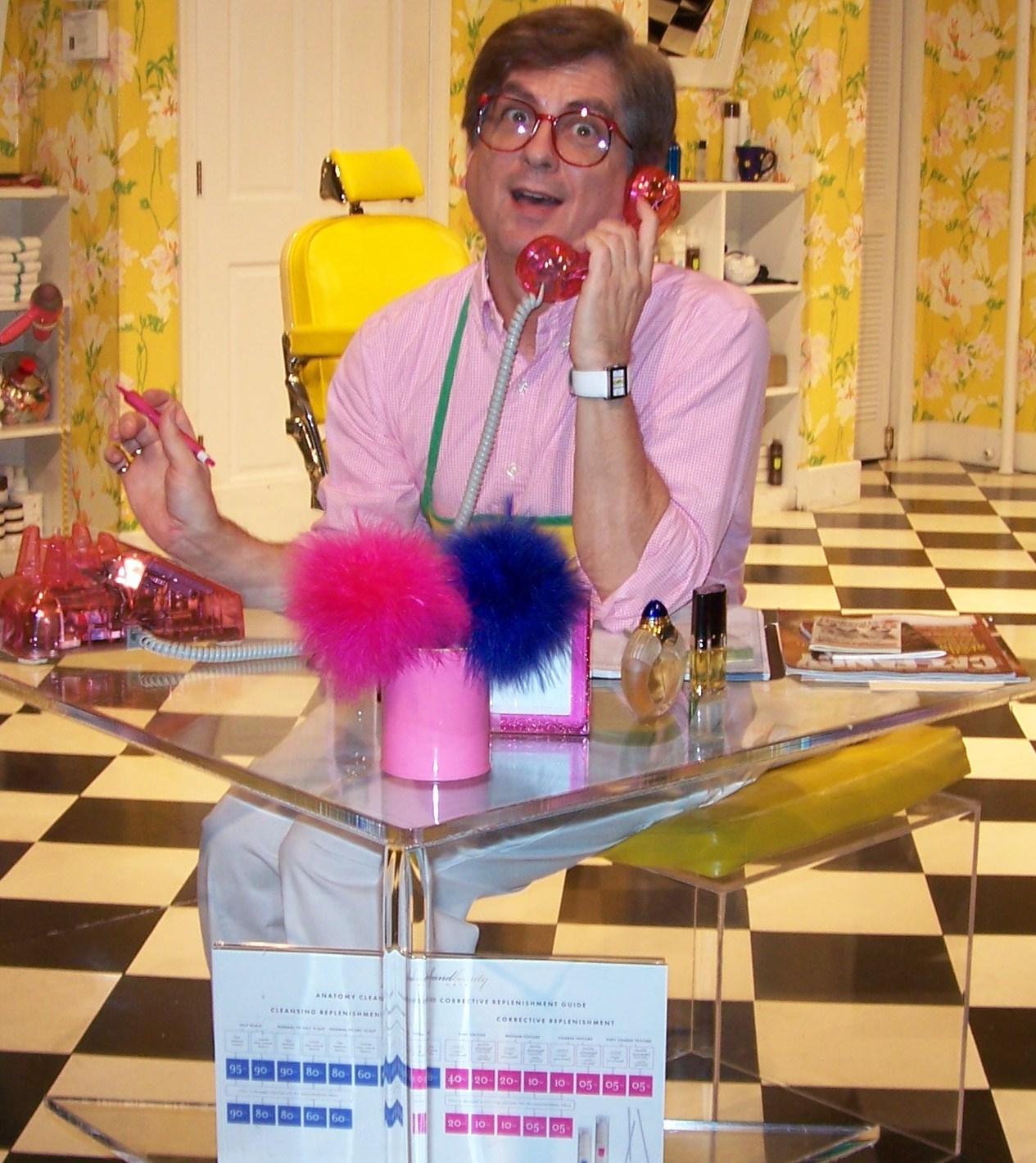
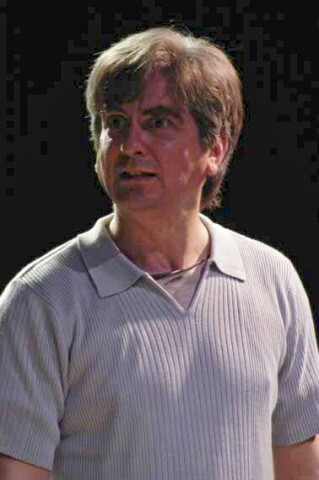
,+Olney+Theatre+Center,+2004.jpg)


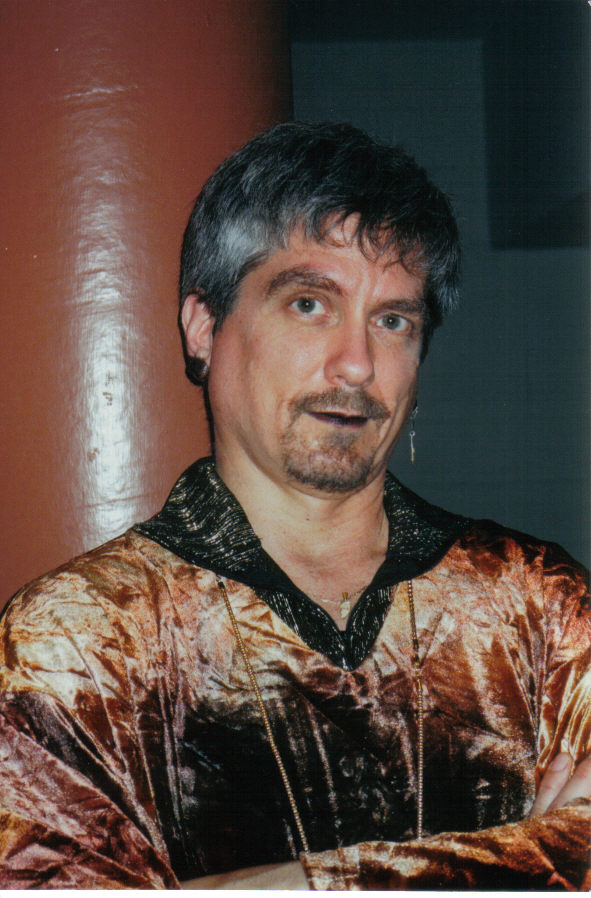
,+Shakespeare+Theatre+Company,.jpg)
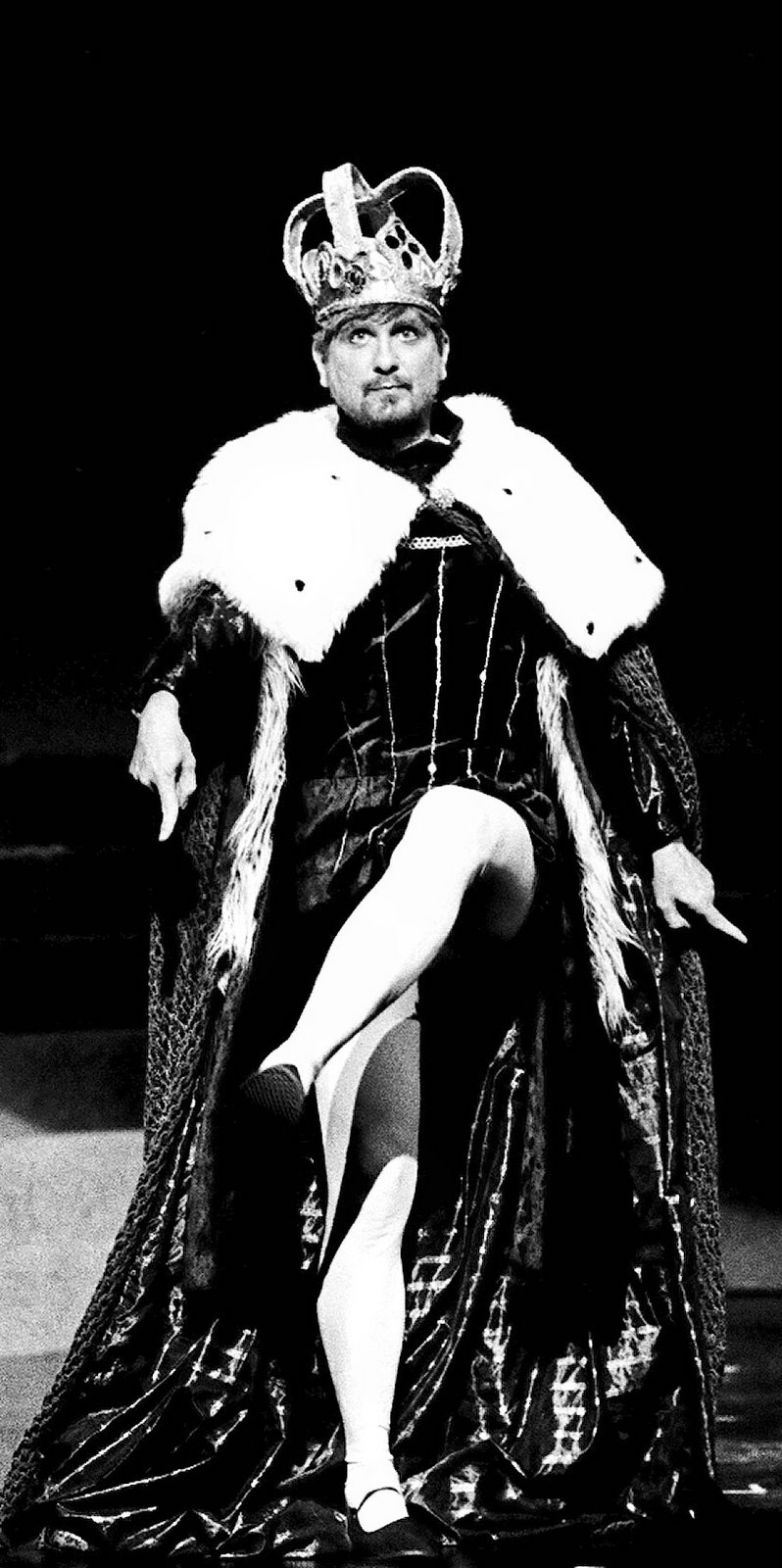

,+Warehouse+Theatre,+1999.jpg)
,+Are.jpg)
,+Everyman+Theatre,2002.jpg)
,+First+Nationa.jpg)
,+Shakespeare+Theatre+Company,.jpg)


,+Granada+Th.jpg)
,+Globe+Playhouse,.jpg)
,+Valley+College,+1975.BMP)
,+CSUN,+1976.jpg)