Tuesday, August 12, 2008

George Furth

1932-2008


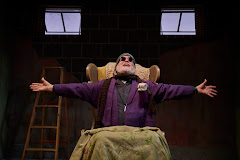
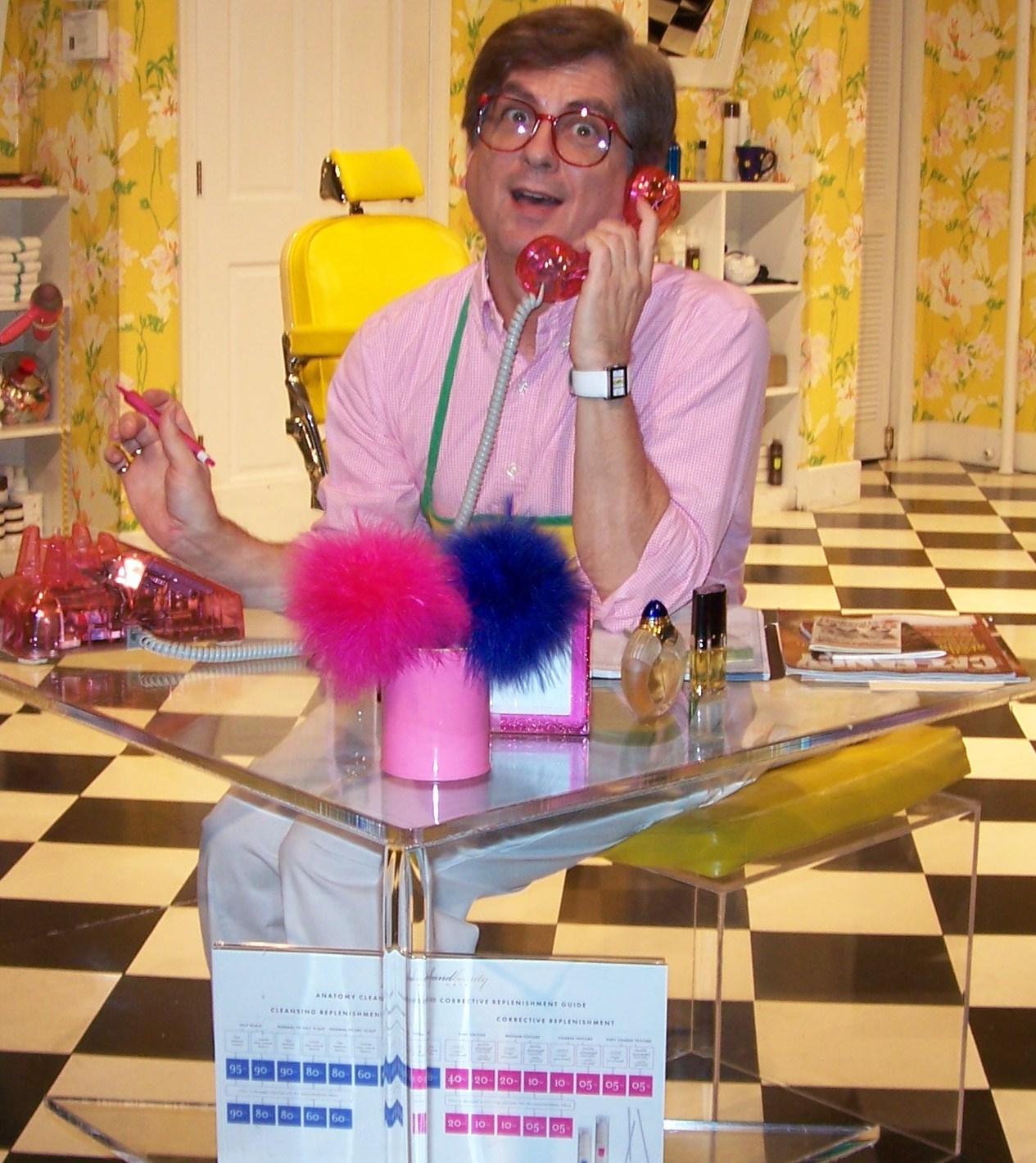
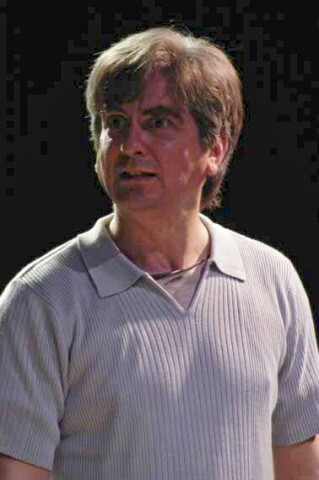
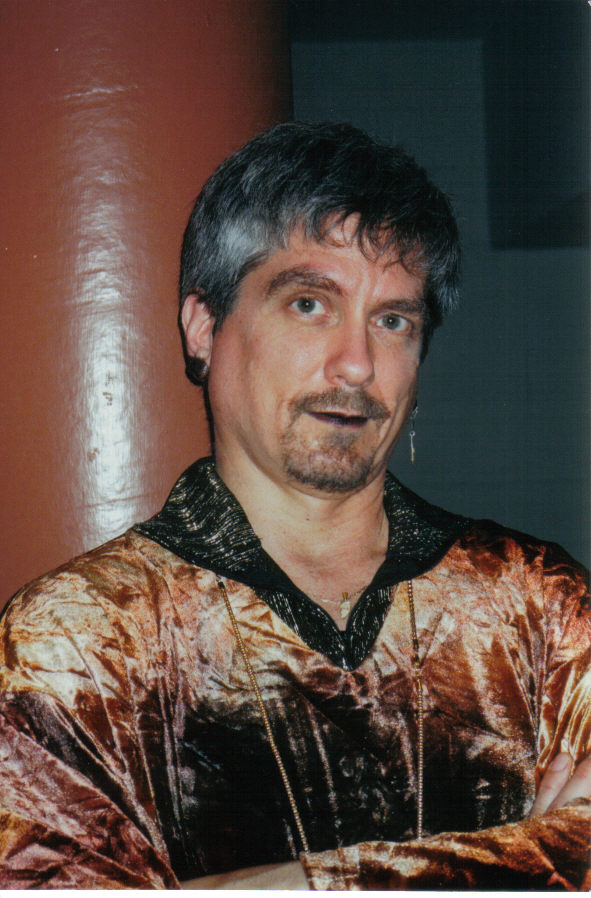
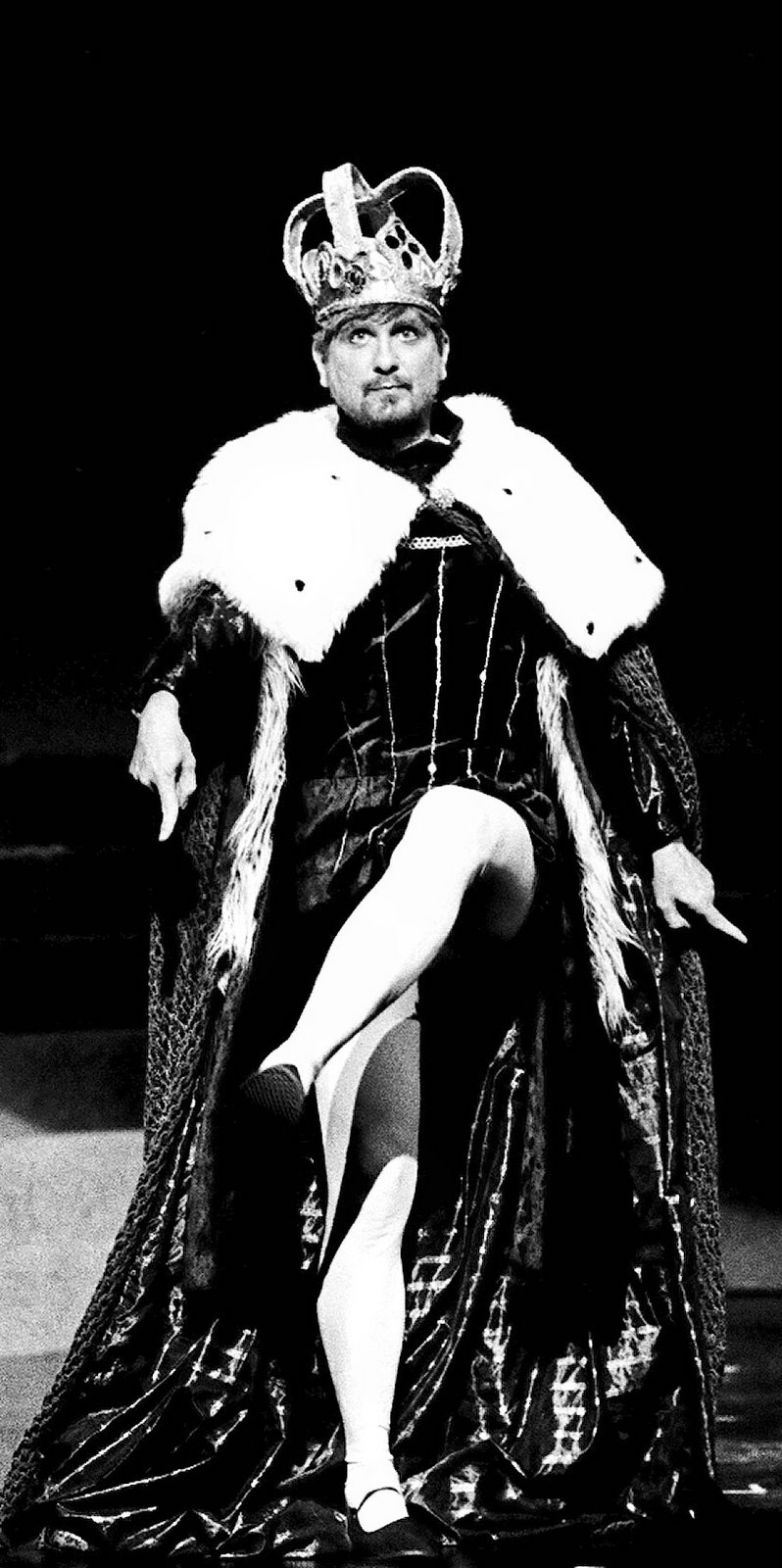
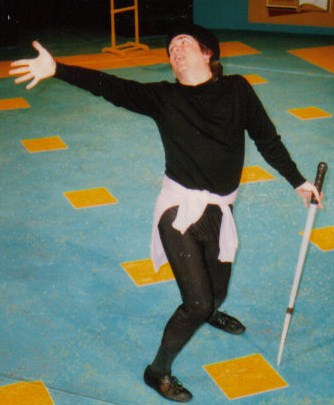
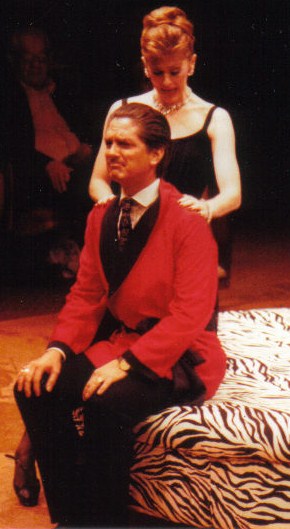
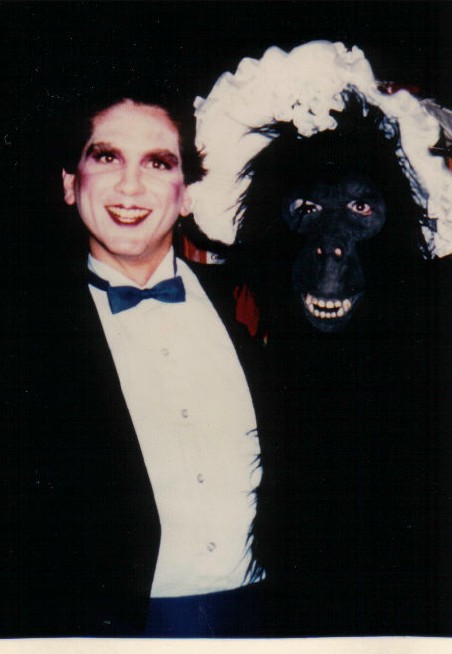
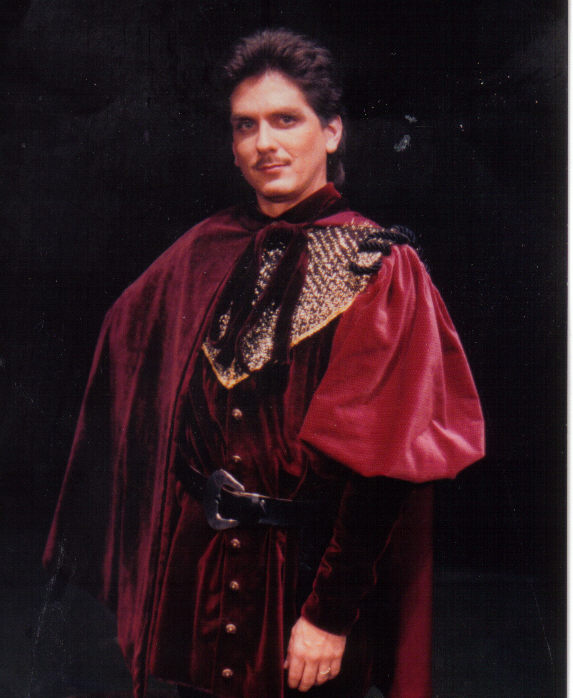
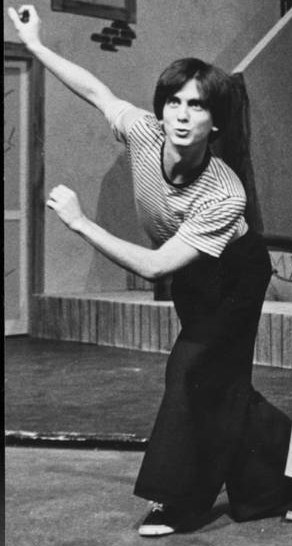
Beginning his career as an actor, Furth played the odd-ball nerd with the nervous twitch on film and television in the 60s. Here he is in a typical over-the-top pose from The Monkees. He appeared in notable feature films such as Butch Cassidy and the Sundance Kid, Shampoo, and Blazing Saddles. He found his lasting fame as a writer, penning plays and musicals throughout the 70s and 80s.


His Broadway credits include two substantial hits, and at least one substantial flop. Along with Stephen Sondheim, he created the landmark concept musical Company, for which he won the Tony. His later collaboration with Sondheim, Merrily We Roll Along, flopped heavily and closed after 16 performances.


He wrote several straight plays which made it to Broadway, most notably Twigs. A tour de force comedy in which a single actress plays a mother and her three daughters, the production was Michael Bennett's only successful direction of a non-musical play, and turned Sada Thompson, considered one of the most competent stage actresses of the period, into a Tony winner. Furth reached Broadway several more times with minor works, and penned the book for The Act for superstar Liza Minnelli's return to the Great White Way.


I've written previously about the Kennedy Center's productions of both Company and Merrily We Roll Along, and about the original cast album of Company as well. In the spirit of that groundbreaking musical, and in celebration of George Furth's contribution to the American Theater:


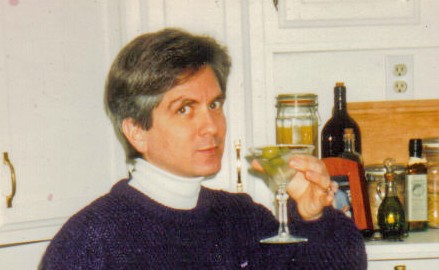
I'd like to propose a toast.


Sunday, August 10, 2008

Eerie Resemblence

OK, I know I swore that these pages would be Olympics-Free during all the jingoistic hoopla, but I just can't help myself. Am I the only one who noticed this? Take a gander at this pic from the Opening Ceremonies:

The above picture reflects Chinese soldiers entering with their flag. You might think they were executing some kind of dance. Until you see this, a pic of soldiers in 1930s Germany:


China is starting to give me the creeps...


Friday, August 8, 2008

Mash Note to John Edwards


Dear John,

You're so dreamy!


You have always been a heartthrob just waiting to burst. Never mind that wife and those kids. Hey, they even made you sexier! And all that talk about family...HOT!!!


Heaven knows, you deserved a little outside recreation while your wife battles incurable cancer. Hey, I know a little something about watching a beautiful, elegant woman fighting to extend her life with treatments devised in hell by the Marquis de Sade. I watched helplessly while my mother underwent such horrors. What a downer that must be on the libido! Who can blame you for acknowledging your inner hound, and betraying your wife by gettin' some on the side? After all, you were voted the sexiest politician of 2000 by People magazine! It was practically your Civic Duty to prove them correct, and cheat on your wife.


Nobody in their right mind would expect you to keep it in your pants while your wife underwent chemo, radiation, or whatever other nasty things they did to her to try to keep her alive a little longer. Hey, those treatments are icky!


And please know that there are many of us out here who will refuse to listen when people call you a cad, a sleaze, a slime-bucket, and/or a douche. At least you've finally revealed an explanation for those $400 haircuts: you wanted to look good for your mistress!


Actually, "mistress" is probably the wrong word. From what I understand, this lucky gal was sleeping with so many guys at the same time that the paternity of her child is in question. I guess I should call her your "slut." Except that's not really exact, is it? I also understand that this woman was highly overpaid to produce videos for your campaign. Since she was receiving money for services rendered, I'm sure we would all agree that she was not your "mistress," nor your "slut." She was your whore. And I for one am not bothered by the fact that you were screwing her while your wife was busy barfing up her insides due to her cancer treatments. As I already said, what a downer that must have been for you!

John, I can't really argue with people who might label you a liar, an adulterer, and a hypocrite. I've just checked my dictionary, and you are all those things. But you are also a hero. You've proven to the world that Democrats can lead lives just as shameful as Republicans. And you've also proven that inside any man who mouths off repeatedly about the importance of duty, family, and integrity, there is a shithead prick dying to get out.


Call me.

Thursday, August 7, 2008

Olympic Fever

Expectation regarding the Summer Olympics has been building for weeks, fueled by the already incessant media attention. With the spectacular over-indulgence of the Opening Ceremonies happening tomorrow, the fever is spreading. Will Chinese authorities attempt to censure international coverage? Will athletes drop dead from breathing the smoggy air? And most importantly, will the US teams win in all areas? If not, what's the point of it all? At least, that seems to be the focus of the coverage I have seen so far. This is nothing new. The main reason I avoid watching the Games is not because I don't enjoy them. It is because I cannot abide the coverage of the games, with the endless yakking by commentators, and the outrageously pro-American (and thus, anti- everybody else) slant of the coverage.


The last games which held any interest for me were the '84 summer games in Los Angeles, largely because I was living there at the time. These were the games in which the American gymnasts stole the show, winning gold for the first time in Olympics history, and generally putting the sport on the national map. I don't take anything away from those guys and gals (Mary Lou Retton was the darling that year), and back then, I could even name all the gymnasts on the team. (All the men, anyway. I can't imagine why...) But the Soviets were boycotting the games that year, in retaliation for the American boycott of the Moscow games four years earlier, so the gymnastic competition was much easier. The '84 Olympics also marked the return of the Chinese to the competition, who had been absent 32 years.


But even with all the Olympics hoopla in LA that year, I remember the games mostly because of the auxiliary international arts festival which surrounded the competition. Theatrical troupes from across the globe were invited for a weeks-long festival of theatre and dance.


Being the English speaking snob that I am, I had little interest in seeing something in a different language (I know, I miss a lot of good theatre that way, but pardonez-moi), so the shows I attended that year were mostly classics, presented by well-known companies. There was one dinky little play, whose name I don't recall, which took place in a foxhole during a war. Can't remember another damn thing about it.


American Repertory Theatre was in town, and Linda Lavin was headlining as Lady Sneerwell in School for Scandal. I also have a strong memory of seeing her in Six Characters in Search of an Author, but I can find no mention of that production on the 'net. I surely saw what remains my favorite production of Comedy of Errors, starring the Flying Karamozov Brothers (they're jugglers, of all things, but not bad actors either).


The highlights of the festival for me were the two shows brought by the Royal Shakespeare Company. Derek Jacobi was with them for that tour, and he gave two terrific performances. His Cyrano was preserved on video, and if you ever have a need to see the play, this is the one to watch. Jacobi's natural flamboyance really shines in this one. His other performance was as Benedick in Much Ado About Nothing, and I think this performance was even better. Sadly, it's not preserved on video.


I wonder if there is an arts festival accompanying the Beijing games? Probably not. These days, the games themselves are more theatrically staged than anything a playwright could dream up. I'm told, repeatedly, that all eyes will be on Michael Phelps, to see if he can match or beat Mark Spitz's record of seven gold medals. I myself won't be watching. I doubt I'll follow the games at all. Because of my disinterest, you will find no more mention of the Olympics in these pages. Nope, I'll be switching the channel, or reading a book, or renting a movie. I won't be watching the games.


...um...does anybody know if those Hamm twins are competing this year?

Sunday, August 3, 2008

TV Droppings: Mad about the "Men"

When Mad Men debuted over a year ago on American Movie Classics, the buzz was largely over its authentic atmosphere, and the fact that it was AMC's first scripted original series. I missed its first run, but when it was rerun a few months later, I caught up with it. I can't say I fell in love, but it did become interesting enough to me that I watched its first season of 13 episodes (that used to be called a miniseries, but in Cableland, it's a full season).


Mad Men definitely benefits from a second viewing, as I found out this week. Season 2 has begun, but before I leaped into the new episodes, I took the time to check out Season 1 again. Do you think I have too much time on my hands?

Via my cable company's On Demand channel, I ordered up episode 1 of Season 1, and became certifiably hooked. Two episodes a day, and I've completed the entire first season, much of which I did not recall from last year's viewing, and I'm well into the new season as well.


Mad Men is this year's critical darling, sweeping the Emmy nominations and making some history for cable programs. While last year, I enjoyed the detailed attention paid to the mis-en-scene of the series (1960 Manhattan), this time I caught much more of the subtleties going on in this story of Madison Avenue ad men and their lives.


Ad agency Sterling-Cooper is no McMann & Tate. The guys booze it up at all hours, Bloody Marys are served at morning client meetings, and each and every character lights up a cigarette in each and every scene.

The atmosphere created by the series is so evocative, I found myself watching most of the episodes with a Virgin Mary (with salt!) at my side. You just have to.


The show is a definite ensemble piece, but it does have a leading man in Don Draper, played by Jon Hamm, a flawed mid-level executive with real personality issues. I can't recall a more unheroic leading man in a series: he cheats on his wife with a bohemian artist, then cheats on her with a wealthy client. He lies about his past, his present, and even his name. He's a coward, an army deserter, and turns his back on the little brother who finds him, causing his suicide. What a guy!


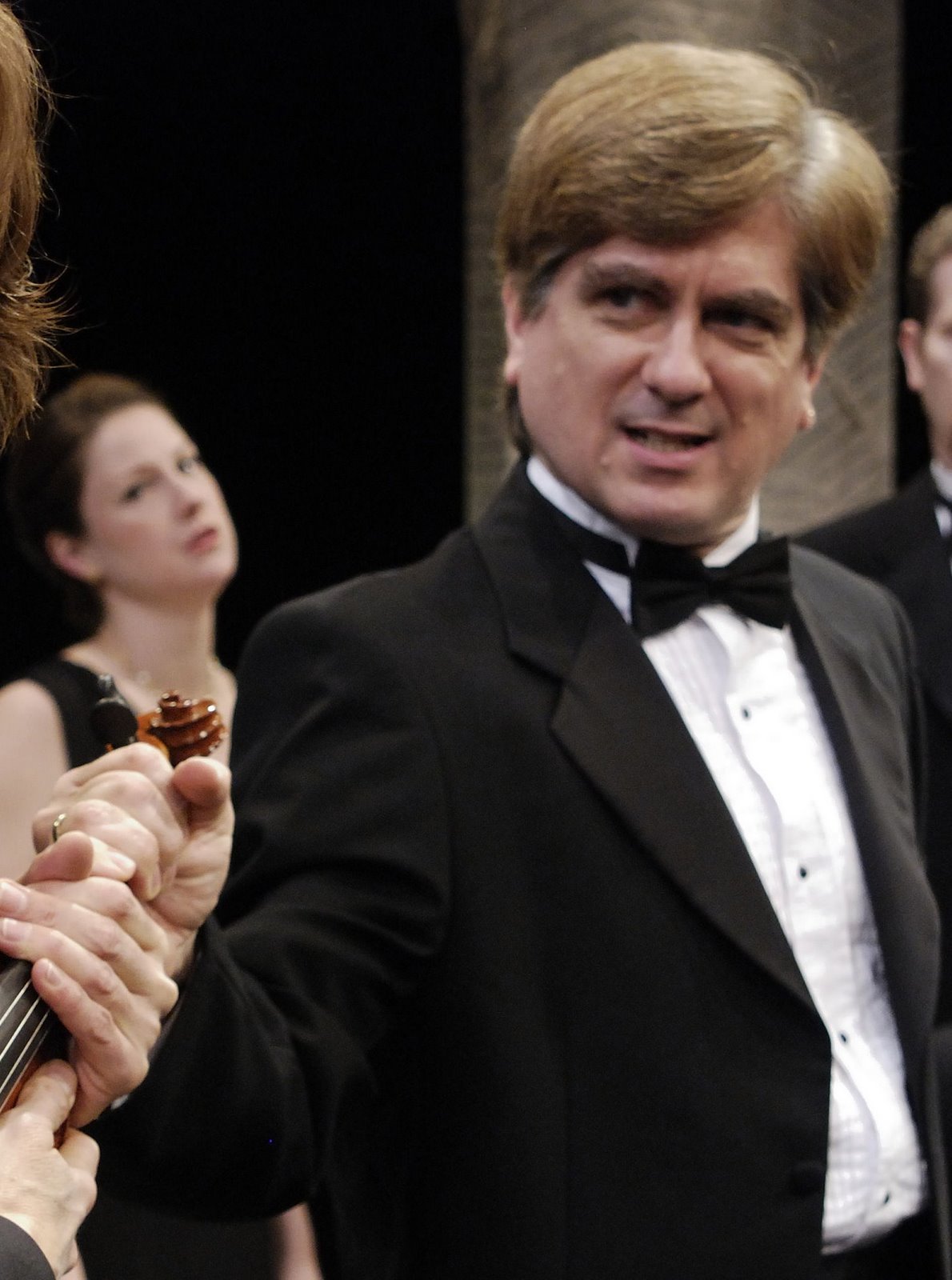
...if a guy looks that good in a tux, we'll forgive him almost anything...


A young actress with the unlikely name of January Jones is playing our hero's dutiful wife, with a coolness so chilly you need a sweater to watch. Really, this is one of those performances that took me many episodes to appreciate. For a long while, I thought this actress simply wasn't doing anything. But as such things often do, she crept up on me, and when her breakout scene arrived at least two thirds through the first season (shooting her neighbor's pet pigeons with a BB gun), I bought it. This is a woman on the verge of a nervous breakdown. She's nuts.


You've never heard of most of this show's cast, though one or two faces will be familiar. The series's female lead (at least, she's getting top billing over the other women in the opening credits), is Elizabeth Moss, who spent some time playing the president's daughter in The West Wing. Here is another actress that took several episodes to warm up. For a while, I thought her interpretation of the mousy secretary was pretty one-note, but as the season progressed, she started to shine, just as her career took an unexpected path (and her ethics, a downward turn).


As almost always happens with me, I found myself attracted more to the supporting characters than to the leads. I suppose that stems from the fact that I am usually more comfortable playing supporting roles myself. At any rate, there are two real standouts in this large cast, and they dominate every scene in which they appear.


John Slattery is one of the strongest character men currently working in Hollywood, and he's had a pretty impressive year. He played one of the Desperate Housewives's husbands for a season, but was written off when his character was skewered by a flying picket fence during a tornado. Gotta love the realism on that show, right? But Slattery's tour de force performance of the year was on Mad Men. His portrayal of Roger Sterling is a subtle triumph; with only a flick of his cigarette ash, he creates a fascinating study of the hard-living, hard-drinking, womanizing head honcho, the boss everyone loves to hate. And hates to love. His chemistry with series star Jon Hamm is fraught with tension and palpable, conflicting emotions. Their surface camaraderie masks a wary suspicion, clearly evidenced in the episode in which Sterling, tipsily lowering his guard, flirted with Draper's wife. With cool, treacherous resolve, our hero manipulated a shattering humiliation for his boss; it was season 1's finest episode. And the most ewww inducing...


Slattery is up for an Emmy, and should win. And not just for that scene with the, um, reappearing oysters.


For my money, the standout performance in the series is being given by Christina Hendricks as office manager Joan Holloway. Dressed to accentuate the curves which were regarded as highly attractive in those years before Twiggy, she sails through the secretarial pool like a luxurious yacht. Her purr is both seductive and predatory, yet reveals a soft soul. It's a beautiful, painful portrait of the working girl of the era.


Other supporting actors of Mad Men have their moments, particularly Vincent Kartheiser as squirrelly Pete Campbell, and Broadway vet Bryan Batt as closeted art director Sal Romano. Here's a picture of the two actors at last year's wrap party, obviously heady with the success of their show:


The creators of Mad Men have afforded us theatrical types a private joke in the casting of Robert Morse as Bert Cooper, the senior partner of the ad agency. Morse's career was launched (and arguably, peaked) when he played the young corporate climber in How to Succeed in Business Without Really Trying in the early 60s, the exact period in which Mad Men is set. 45 years later, he's returned to the era to play the elder executive; it feels like a sly wink and a nod to those of us who are aware of this actor's history.


The second season of this remarkable series is off to a good start, ratings-wise, and its record-breaking number of Emmy nominations (more than any other drama this year, unique for a basic cable series) is already adding more buzz. I often avoid shows with that kind of buzz (I didn't catch up with The Sopranos until season 3), but I hope all the hype means we'll be watching the Mad Men of Sterling Cooper for some time to come. Shake up a martini and join the fun!


Friday, July 25, 2008

John's Mass Appeal

Theatre professionals, family, friends, and fans gathered yesterday to honor John MacDonald with a funeral mass at the Church of St. Patrick in downtown DC.


I am the least religious person you ever met, but the ceremony was a moving celebration, and somehow, it helped.


I took the subway downtown, knowing that John would not want me to experience the hassle of parking in the area. He and Ann always took care of their actors. I departed the train at Metro Center, along with scores and scores of other passengers, as it was lunch hour on a weekday. While walking toward the exit gate, a well-dressed woman walking next to me suddenly turned and said, "Do you happen to know where St. Pat's is?"


I replied, "I'm on my way there. We can walk together." The coincidence of being approached, out of the blue, on a packed subway platform, by someone attending the same funeral as I, was pretty substantial, I thought. The woman introduced herself as "Catherine," and explained that she was meeting her husband and other friends at the church. They were clearly not theatre folk, and she revealed that they had all lived in the same apartment house with John and Ann, before the MacDonalds moved to their own home. I was not surprised to find that John was well remembered by non-theatrical "civilians," as well as his own tribe.


St. Patrick's is the oldest Catholic parish in the DC area, and was established in the late 1700s to minister to the Irish workers who were building the Capitol and White House. The parish, in fact, pre-dates DC as the nation's capital.


I'm sure the site was the only church considered for John's funeral. The Washington Stage Guild's first (and so far, only) permanent home was in Carroll Hall, adjacent to the sanctuary, and for a decade or so, Stage Guild shows were produced with the cheerful cooperation of their landlords, the archdiocese. The original members of WSG, most of whom are still members of the company, were clearly moved to find that John's funeral mass was being attended by Msgr. Farina, a retired cleric who was a staunch supporter of the Guild's early efforts.


I myself have never attended any kind of Catholic mass, though I can claim to have been blessed by the Pope. I was in the huge square of St. Peter's in Rome one Sunday morning in 1973 when Paul VI appeared on his balcony and did his thing. And I did attend an Eastern Orthodox wedding once. The event lasted forever, the priest droned on and on in Armenian, somebody spread smoking incense all over the place, and the groom fainted.


John's mass didn't have those kinds of histrionics, but was quietly meaningful to Catholics and heathens alike. I welcomed the structure of the service, which lent itself more to personal reflection than outbursts of raw emotion. Readings were given by WSG stalwarts Lynn Steinmetz, Vinny Clark, and Bill Largess, and the eulogy delivered by Bob Butler broke a bit with Catholic Protocol and invited chuckles from the congregation.


Speaking of the congregation, there was a large turnout, considering the mass took place in the middle of a work day. Of course, many many actors were present, as well as several artistic directors (Woolly Mammoth, Totem Pole Playhouse), and even a few theatre critics. John was clearly well-respected in his community.


The mass included a communion ceremony, and as the Catholic folk passed through the line to accept their wafer and wine, an oddity occurred. In the midst of the conservatively dressed attendees, a strapping fellow in shorts, work boots, and dirty bare legs, strode up to the alter. Even with all this solemnity, the guy was the source of only mild bemusement. There was none of the outraged shock which a more uptight crowd might have aroused. I chuckled to myself that this must be some construction worker in the area, on a break and eager to snag a bite of that tasty wafer symbolizing the body of Christ.


I later discovered that this gent had attended Catholic University with John, Ann, and the other Stage Guild founders, and had veered off into a career in plumbing. But he was determined not to miss the chance to honor John's life and career, and had, in his own words, "climbed out of a ditch" to get to the funeral.


John would have wholeheartedly approved.


As for me, I held it together pretty well, until the end. Msgr. Enzler, the very personable priest who officiated, gave the congregation permission to applaud, something which used to be verboten in churches of all faiths, but nowadays, is permitted in certain circumstances. Saying goodbye to such a fine director/actor/producer as John MacDonald absolutely required applause.


The scriptures which were read during the mass were beautiful to listen to, and were comforting in their way. But I am not spiritually moved by that kind of thing. Yet when the congregation's applause began, then swelled, filling that hall, bouncing off the high ceilings and curved walls, well, that was a sound I can relate to. I know what applause means, and its powerful effect overcame my well-learned poise.


I cried like a baby.


John would have wholeheartedly understood.

Randy Pausch


1961-2008


You cannot change the cards you are dealt. Just how you play the hand.


Experience is what you get when you didn't get what you wanted.


The last lecturer.