The remake of the 1970s television film classic
Sybil aired over the weekend, trying to tell the same story in half the time. Much of it worked, but I have to admit to being overly prejudiced toward the original, four hour heartwrencher, which told the story of a woman suffering from Multiple Personality Disorder due to a traumatically abusive childhood. In the slimlined version (
Syb 2), Emmy-winner Tammy Blanchard and Oscar-winner Jessica Lange played the roles originated 30 years ago by Emmy-winner Sally Field and Oscar-winner Joanne Woodward.

The remake spent very little time revealing Sybil's affliction, a distinct difference with the original, in which the viewing audience learned gradually about the various personalities inhabiting her battered psyche.

The growing sense of concern which the viewer felt for Sybil as she struggled with a disease she did not know she had, is missing from
Syb 2. Perhaps it's due to the absence of the most important scene in the entire four-hour original film
, the moment in which Sybil learns about the multiple personalities which have been inhabiting her body. That scene was a showcase for Field, as she shifted from buoyant, musical Vanessa, to angry Peggy, to confused Sybil, to her own mother, to, finally, an infant. The scene was deemed so important by its creators that it was used in the audition process to cast the role. Here's a terrific story I love, related on the DVD release of
Syb 1:
With Woodward already attached to the project, the writer and producer of the film had the luxury of finding the best actress for the role, rather than casting a star (this step was reached after Audrey Hepburn turned down the role, and Natalie Wood was turned away for the role). An intensive search was underway (which included Lily Tomlin!) when Sally Field's agents begged that she be given an audition.
After spending the 60s in three silly sitcoms, the most fanciful of which was
The Flying Nun, Field had left the industry for several years to study her craft at The Actors Studio. When she

returned to Hollywood, she was still pegged as a perky sitcom star. As the story goes, Field's agent secured an audition for her client, though the Powers That Be had no interest in seeing her. As a testament to the professional integrity of Joanne Woodward, the legendary star was in the casting office, actually reading opposite the women auditioning for Sybil. Everyone rolled their eyes as Field entered the chamber and began her audition, the aforementioned "revelation" scene. If you've ever seen the original
Sybil, even only once, you will recall this chilling sequence in which Sybil's various personalities emerge and shift, causing the patient to climb over furniture, crawl across the floor, sing off-key, tap-dance, break a window, and end up under the piano, wildly sketching one of her horrific memories while muttering about "the people." The casters were caught completely off-guard by Field's in-depth audition (for which she was off-book and thoroughly prepared), and she played the scene with abandon, alternately sitting on Woodward's lap and crawling across the floor, with Woodward scurrying after her.
I suppose I enjoy that story because I love any instance when an actor confounds the expectations of casting folk, who are Quite Sure they know Everything There Is To Know about the abilities of specific actors, but don't.

I seem to have wandered off-point a bit. What are the odds of that? Anyway, another aspect of the Sybil story I missed in the remake was the character of Richard, so prominent in the original (though invented by the screenwriter; there was no such person in the real Sybil's life). Richard was created to represent the outside world's reaction to Sybil's eccentric behavior, and was an integral part of our understanding of the severe loneliness with which Sybil dealt. Well,
Syb 2 had only two hours, so Richard became a one-scene presence, who escorted our heroine to a piano concert, only to have Sybil relive the horrific moments when her fiendish mother lashed her to the piano and insisted that she "hold it" (this after being given an ice-water enema. Aren't these fun movies?). In fact,
Syb 2 included two scenes in which Sybil peed on the carpet, while
Syb 1 avoided any mention of bodily functions. What a difference 30 years can make on television... (we did see the scene in which Sybil as a child released the enema on the piano leg, which sounds as horrifying as it must have been. Director Dan Petrie of
Syb 1 handled that scene so subtly, I bet it slipped by the censors at the time.)
But
Syb 2 was not void of romance. In the updated version, Sybil the art student is befriended (quite quickly, of course. We've only got two hours here) by an Argentinian hunk who takes her out on the town. Both
Sybs contain instances when Sybil's alter, Vanessa, assumes control and allows her to socialize with the opposite sex.

While the romantic figures in Sybil's life were rearranged (and the role of her father was greatly diminished in
Syb 2), there is one presence which haunted both films, that of a mother so abusive, she made Mommie Dearest look like Ma Kettle. The original's Martine Bartlett maintained later that her performance so spooked everybody that she never worked again. I can believe it, as her rendition of Hattie Dorset was truly frightening. In the remake
, the role went to JoBeth Williams, totally unrecognizable in gingham and grey. Both actresses hit the mark.

As for the four leading ladies of the two films, nothing can be said against them. I preferred Woodward's Dr. Wilbur over Lange's, though I freely admit to being a long-time fan of the former, and an occasional doubter of the latter. Woodward's calming influence was a terrific counterweight to Field's flights, and the two had a remarkable chemistry which anchored the earlier film. But I liked Lange's harsher interpretation as well.
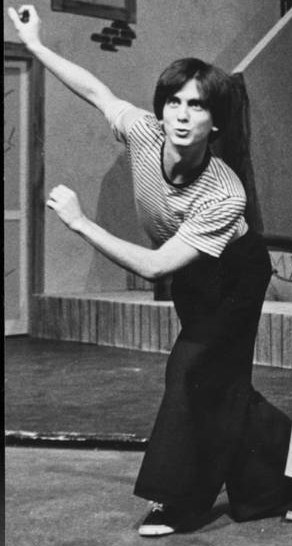
Syb 2 was placed solidly in the 1950s, more historically accurate than the vaguely 70s feel of the original (check out Brad Davis's
Godspellian suspenders in the picture above)
, and as such, Lange's Dr. Wilbur, a rare female analyst of the time, had more challenges to her credibility than the more modern doctor of
Syb 1. This aspect of the remake felt right on the money to me. The coda to the film mentioned that it was many years before the psychiatric community agreed that Multiple Personality Disorder was in fact real; at the time of Sybil's diagnosis and treatment, many of Wilbur's colleagues believed the doctor actually invented the personalities herself.

As for the dueling Sybils, I greatly admired Tammy Blanchard's gutsy work in the remake
. It's obvious she has stage experience (she played
Gypsy opposite Bernadette Peters's Mama Rose on Broadway), as she employed a number of accents for her alters, including French for Vickie, and a vaguely New Yoiwk sound for suicidal Marsha.
Field's work was a bit more subtle, but no less specific in differentiating her roles, and she had double the amount of screen time in which to create her Emmy-winning performance.

Blanchard's work was impressive, but Field's was heartbreaking.
These Sybil quibbles have reminded me of those 70s years. I was too young to know that I would become a professional actor, but even then, I was strongly attracted to pieces which showcased superior acting talent. I was much more likely to tune into a talky British miniseries than a sci-fi action flick. The original
was an extremely well-regarded television event, one which remained in my memory for 30 years (when its DVD was finally released last year, I was not surprised that I recalled so many specific moments from the film).
to be Important Television as well. It seems a good fit for the current atmosphere at CBS, where CSIs and other procedural ick-fests dominate the schedule; with its mayhem and rape,
more than holds its own in that milieu. And with its two high-powered stars and a riveting story, I have no idea why CBS buried this prestige film on a Saturday night during the summer.
I guess it didn't have enough gross-out moments.


 The remake of the 1970s television film classic Sybil aired over the weekend, trying to tell the same story in half the time. Much of it worked, but I have to admit to being overly prejudiced toward the original, four hour heartwrencher, which told the story of a woman suffering from Multiple Personality Disorder due to a traumatically abusive childhood. In the slimlined version (Syb 2), Emmy-winner Tammy Blanchard and Oscar-winner Jessica Lange played the roles originated 30 years ago by Emmy-winner Sally Field and Oscar-winner Joanne Woodward.
 The growing sense of concern which the viewer felt for Sybil as she struggled with a disease she did not know she had, is missing from Syb 2. Perhaps it's due to the absence of the most important scene in the entire four-hour original film, the moment in which Sybil learns about the multiple personalities which have been inhabiting her body. That scene was a showcase for Field, as she shifted from buoyant, musical Vanessa, to angry Peggy, to confused Sybil, to her own mother, to, finally, an infant. The scene was deemed so important by its creators that it was used in the audition process to cast the role. Here's a terrific story I love, related on the DVD release of Syb 1:
 returned to Hollywood, she was still pegged as a perky sitcom star. As the story goes, Field's agent secured an audition for her client, though the Powers That Be had no interest in seeing her. As a testament to the professional integrity of Joanne Woodward, the legendary star was in the casting office, actually reading opposite the women auditioning for Sybil. Everyone rolled their eyes as Field entered the chamber and began her audition, the aforementioned "revelation" scene. If you've ever seen the original Sybil, even only once, you will recall this chilling sequence in which Sybil's various personalities emerge and shift, causing the patient to climb over furniture, crawl across the floor, sing off-key, tap-dance, break a window, and end up under the piano, wildly sketching one of her horrific memories while muttering about "the people." The casters were caught completely off-guard by Field's in-depth audition (for which she was off-book and thoroughly prepared), and she played the scene with abandon, alternately sitting on Woodward's lap and crawling across the floor, with Woodward scurrying after her.


,+Shakespeare+T.jpg)
 and Rainn Wilson. I sent a note backstage, and Helen graciously agreed to have a drink with me after the show, so it was about 1 AM when I finally returned uptown and rang the bell at Caitlin's apartment. The sweetheart (at left) had blown up the inflatable mattress for me, and didn't mind a bit that I had spent the evening having a ball, without calling to let her know the whereabouts of her wayward guest. (She was raising a teen aged son at the time, and just shrugged, "I knew you were out getting drunk someplace.")
,+shakespeare+Theatre+Company,+1.jpg)
,+Shenandoah+Summer+Music+Theatre,+199.jpg)

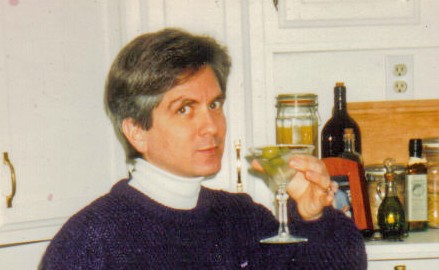
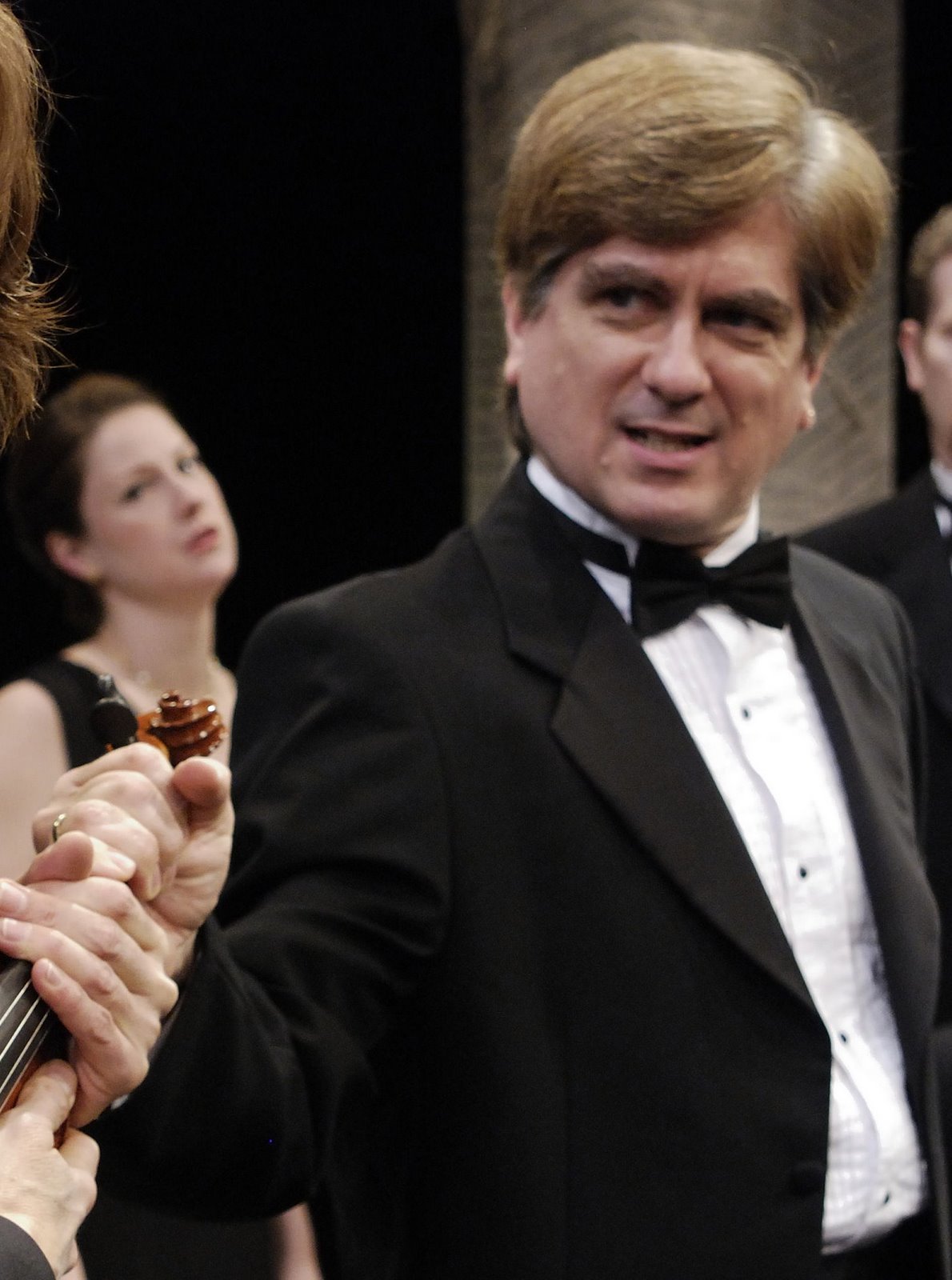
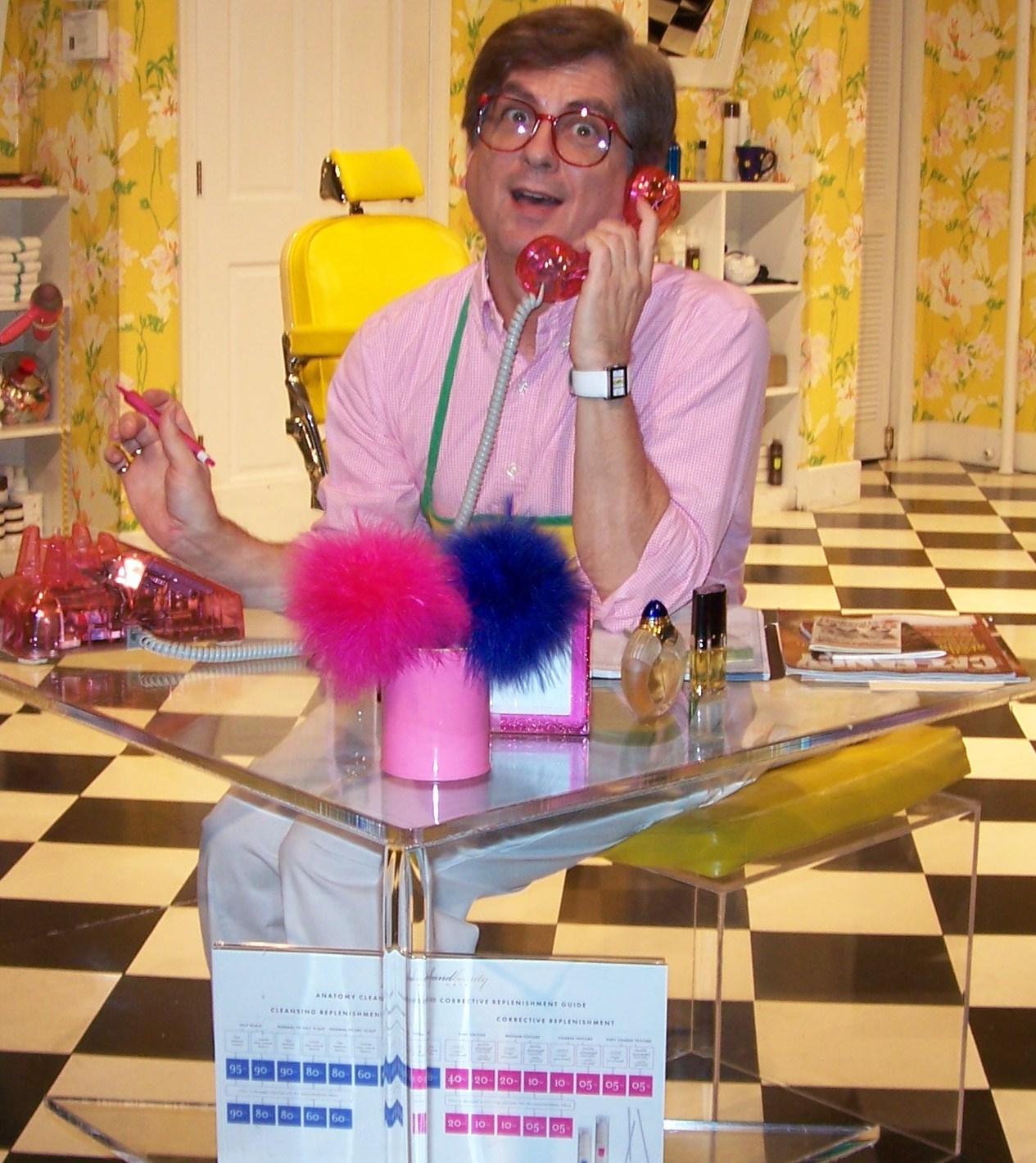
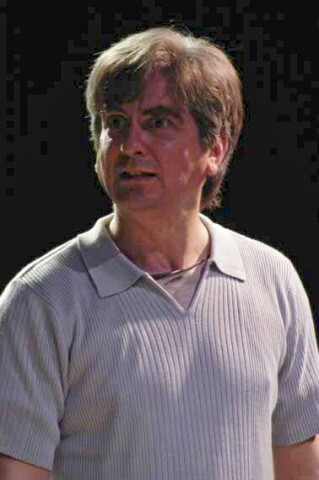
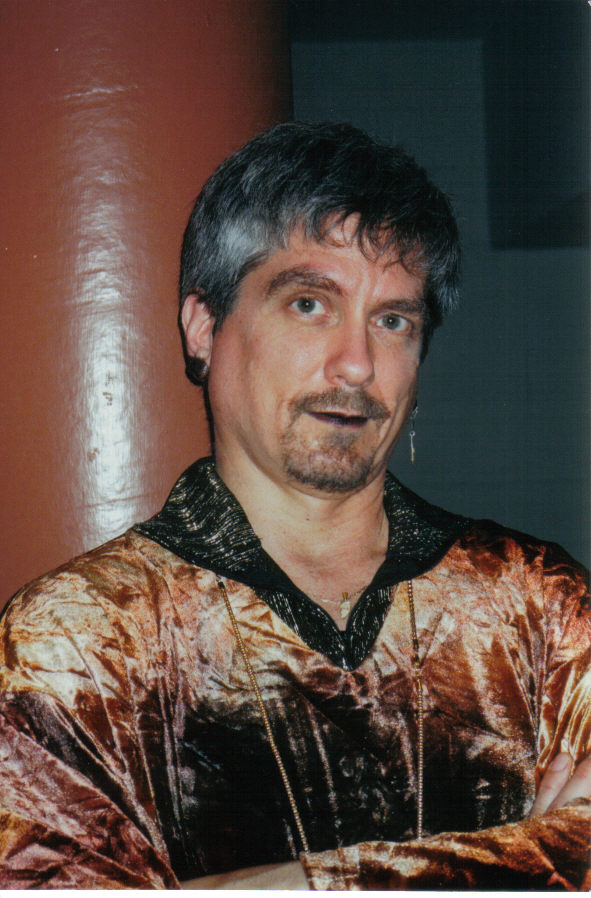
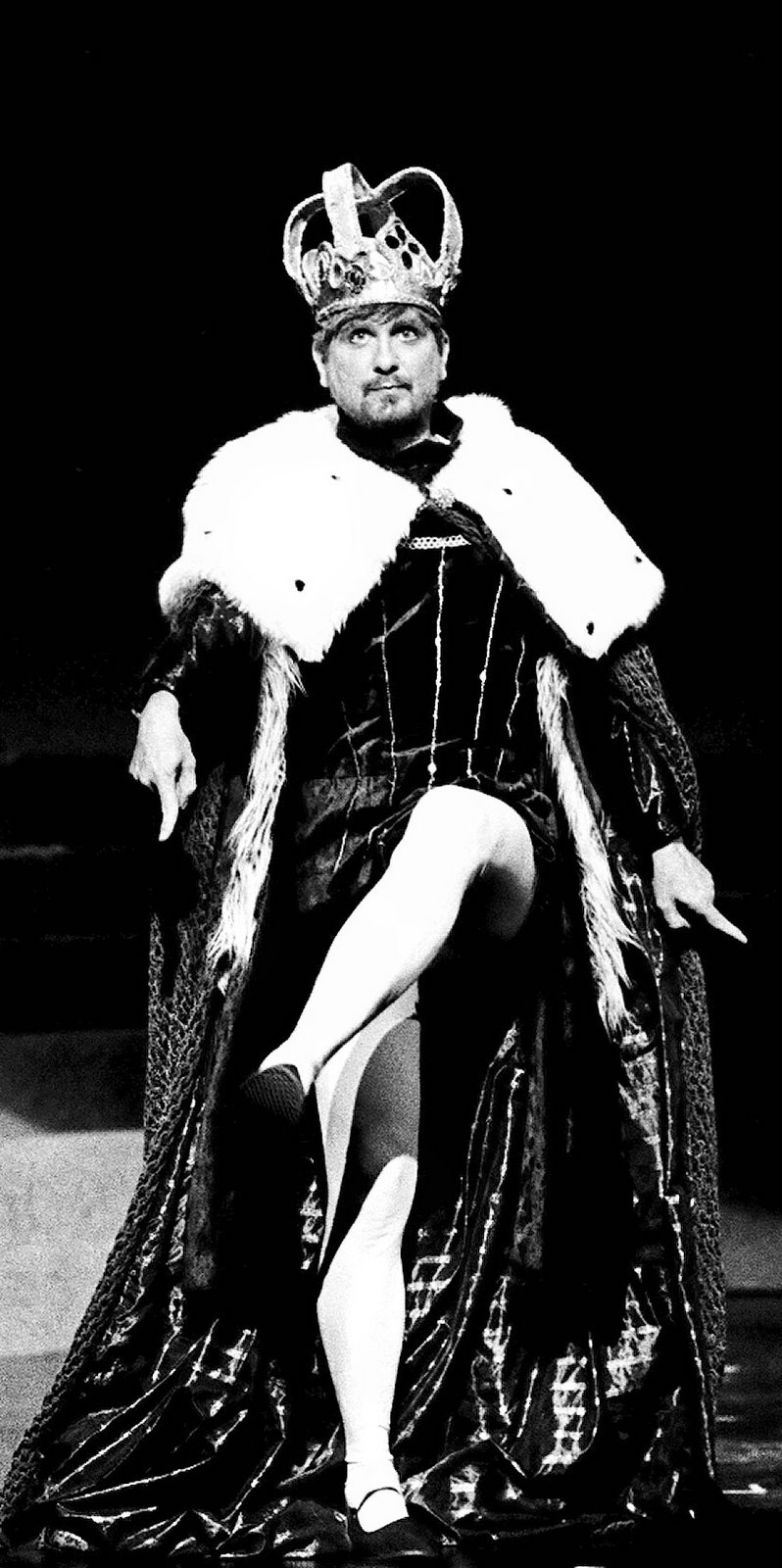
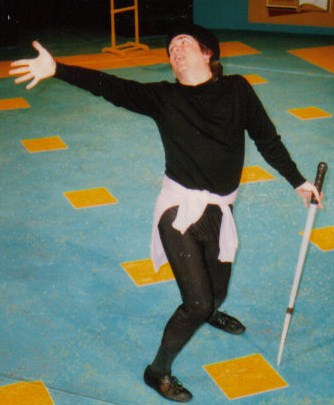
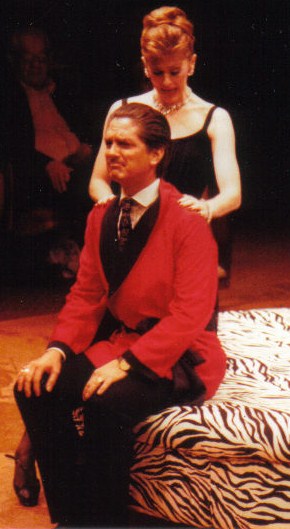
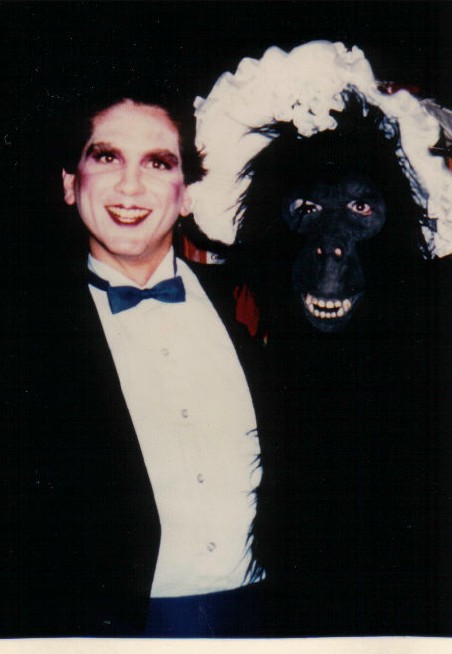
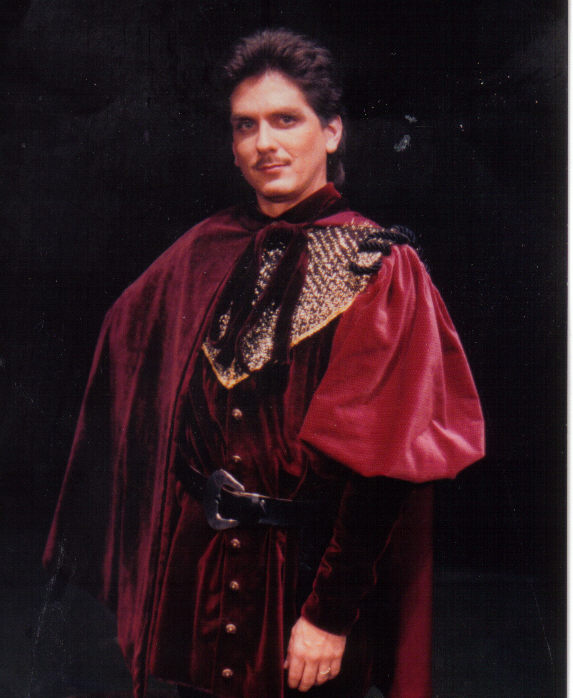
,+CSUN,+1975.jpg) Throughout my adult life, I have usually looked younger than I actually am. I don't deserve any credit for that, I inherited some mighty fine genes. In my business, the age you look is often important. But the age you actually are is completely immaterial. So, if a director, or a producer, or a caster, or just about anyone, asks, "How old are you?", a red flag goes up in my brain. It's signalling an inadequacy on the part of the pro asking the question. It means he has no idea how old you look, and so is asking how old you are.
Throughout my adult life, I have usually looked younger than I actually am. I don't deserve any credit for that, I inherited some mighty fine genes. In my business, the age you look is often important. But the age you actually are is completely immaterial. So, if a director, or a producer, or a caster, or just about anyone, asks, "How old are you?", a red flag goes up in my brain. It's signalling an inadequacy on the part of the pro asking the question. It means he has no idea how old you look, and so is asking how old you are. ,+Shenandoah+Summer+Mus.jpg) But for his professional purposes, it doesn't make any difference how old an actor is, it only matters how old an actor can play.
But for his professional purposes, it doesn't make any difference how old an actor is, it only matters how old an actor can play.
 elderly Sophia. It did not matter how old Getty was, it only mattered how old Getty could play.


,+Olney+Theatre+Center,+2004.jpg)


,+Shakespeare+Theatre+Company,.jpg)

,+Warehouse+Theatre,+1999.jpg)
,+Are.jpg)
,+Everyman+Theatre,2002.jpg)
,+First+Nationa.jpg)
,+Shakespeare+Theatre+Company,.jpg)


,+Granada+Th.jpg)
,+Globe+Playhouse,.jpg)
,+Valley+College,+1975.BMP)
,+CSUN,+1976.jpg)